Adelaide Earth Moving & Concrete
How to Fix Cracks in Concrete Driveway Surfaces: An Adelaide Guide
The right response to a driveway crack depends on its cause, movement and the condition of the concrete. This guide explains what to inspect, the limits of minor DIY filling, and when to arrange a professional assessment.
10+
Years of Experience
Metro Wide
Adelaide Local Crew
Res & Com
Residential & Commercial
Site to Pour
One Coordinated Team
Minor Hairline Cracks vs. Major Structural Cracks
Quick Answer
Crack width alone cannot tell you whether a driveway defect is cosmetic or structural. Small, stable surface cracks may suit a compatible repair product, while widening cracks, height differences, loose concrete or recurring defects need assessment before repair.
Shrinkage, temperature changes, loading, drainage and ground movement can all contribute to cracking. Record the pattern and condition, and seek advice if the cause or appropriate repair is unclear.
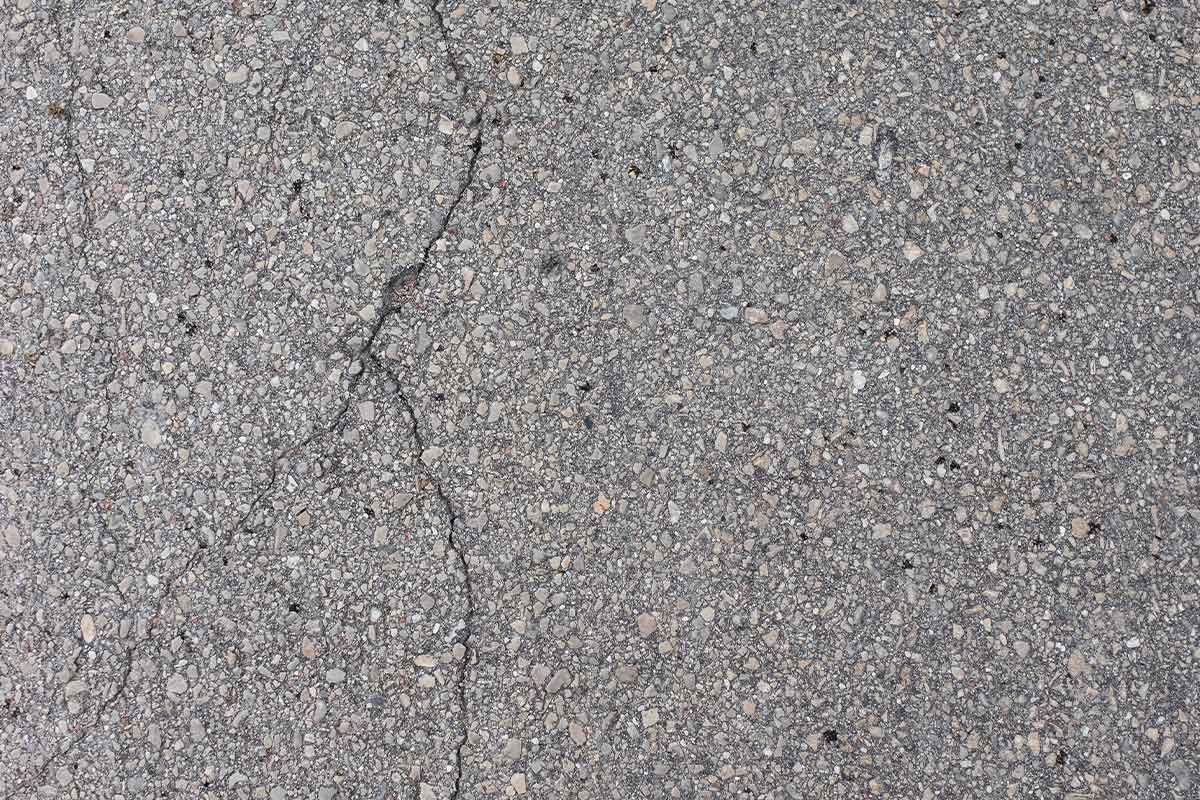
Hairline and shrinkage cracks
Fine surface cracks may result from shrinkage, but appearance alone does not confirm the cause. Check for changes, depth, loose edges and nearby damage before considering a repair.
Joint-line cracks
Control joints are intended to influence where shrinkage cracking occurs. Cracking along a joint can be expected, but displaced edges, widening gaps or damaged joints still need attention.
Movement and structural cracks
Widening cracks, changes in level or recurring damage can indicate movement or another underlying defect. Arrange assessment rather than assuming a surface filler will correct it.
Spalling alongside cracks
Flaking or chipping can have several causes, including material, finishing, exposure or corrosion-related problems. Loose or deteriorating edges should be assessed before filling.
Record changes: photograph and measure cracks to help explain their history. Do not wait for a monitoring period if there is a trip hazard, rapid movement, unstable concrete or another immediate concern.
DIY Steps for Patching Small Concrete Cracks
Consider DIY filling only for a minor, stable defect where the repair product is suitable and the cause is understood. Read the technical and safety instructions first. If cutting, grinding or uncertain substrate preparation is needed, use a suitably equipped professional.
Confirm the crack qualifies
Check for movement, uneven edges, loose material and recurring damage. If any are present, or you cannot assess the cause, arrange professional advice before choosing a product.
Clean with appropriate dust controls
Follow the product preparation instructions and remove contamination safely. Concrete dust can contain respirable crystalline silica. Do not dry sweep, use compressed air or use an ordinary household vacuum; appropriate wet methods or hazardous-dust extraction may be required.
Check the required crack dimensions
Use a product suitable for the measured width, depth, exposure and traffic. Do not widen every hairline crack as a routine step. Required preparation, backing material and primer depend on the selected system.
Apply the specified repair product
Follow the manufacturer instructions for primer, backing, application depth, tooling and weather conditions. A flexible sealant and a rigid repair mortar serve different purposes; confirm suitability for the crack and vehicle traffic.
Allow curing and check compatibility
Keep traffic off for the stated cure period, allowing for site conditions. Apply a coating or sealer only if compatible with the cured repair and recommended for the surface. Inspect the repair after it returns to use.
Know the limits: some flexible sealants accommodate a specified amount of movement, but they do not stabilise a failing base or restore structural capacity. Recurrent cracking needs reassessment rather than repeated filling.
When to Call a Professional Concreter in Adelaide
Arrange professional assessment for widening or displaced cracks, rocking sections, loose material, repeated repair failure, extensive deterioration or uncertain causes. Restrict access where a defect creates a trip or stability hazard. An engineer may be needed where structural concerns are identified.
Repair methods depend on the diagnosis and may include local repairs, an appropriate sealant system, drainage improvements or replacement of affected sections. Our concrete repairs Adelaide service can assess the driveway and explain suitable options. Colour and texture differences may remain after repair.
Where repair is unsuitable, compare a defined repair scope with replacement through our concrete driveways Adelaide service. The decision should reflect base condition, drainage, extent of damage and expected use rather than a blanket assumption that every cracked driveway needs replacement.
FAQs
Adelaide Earth Moving & Concrete
Cracked Driveway? Get a Straight Answer on What It Needs.
Book a site inspection with the Adelaide Earth Moving and Concrete team. We will identify the cause, tell you honestly whether it needs a repair or a rebuild, and quote accordingly. Straight up pricing, no surprises.